Placing implants in the upper back jaw is often a challenge. After tooth loss, the bone in this area shrinks, and the maxillary sinus can expand downward. As a result, there may not be enough bone height to hold an implant securely. A sinus lift, also called sinus augmentation, solves this by lifting the sinus membrane and placing bone graft material beneath it. Because the membrane is thin and delicate, the instruments used for this procedure must be precise and gentle. This guide explains the two main sinus lift approaches and the instruments you need in a complete sinus lift kit.

What Is a Sinus Lift?
The maxillary sinus is lined by a thin membrane called the Schneiderian membrane. In a sinus lift, the surgeon carefully separates this membrane from the sinus floor and lifts it upward. The space created is then filled with bone graft material. Over several months, the graft becomes new bone, which can support an implant. In some cases, the implant is placed at the same time as the graft.
Two Main Approaches
Lateral Window Technique
The surgeon opens a small window in the side wall of the sinus. Through this window, curved elevators lift the membrane. In addition, this approach allows a large amount of graft and is used when the remaining bone height is low.
Crestal (Osteotome) Technique
The surgeon works through the implant site on the top of the ridge. Osteotomes gently tap and push the sinus floor upward, lifting the membrane from below. Also, this approach is less invasive and suits cases where a moderate lift is needed.
Instruments in a Sinus Lift Kit
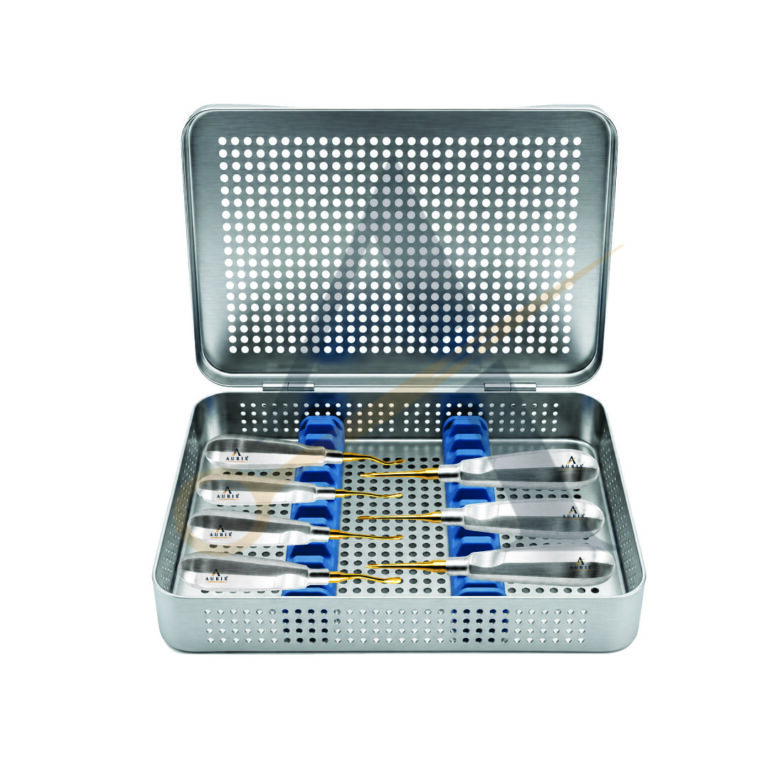
Sinus Membrane Elevators
These are the heart of the kit. Moreover, they have curved, rounded, spoon-like tips set at different angles. Each angle helps the surgeon follow the shape of the sinus walls. Smooth, polished edges are essential, because sharp edges can tear the membrane.
Osteotomes
Osteotomes are straight or offset instruments with concave or convex tips, marked with depth lines. In fact, they are used in the crestal approach to compact bone and raise the sinus floor with gentle mallet taps.
Bone Graft Carriers and Condensers
Graft carriers deliver particulate bone into the space under the membrane. Condensers then pack the graft gently into place.
Mallet
A small surgical mallet provides controlled force for osteotome techniques.
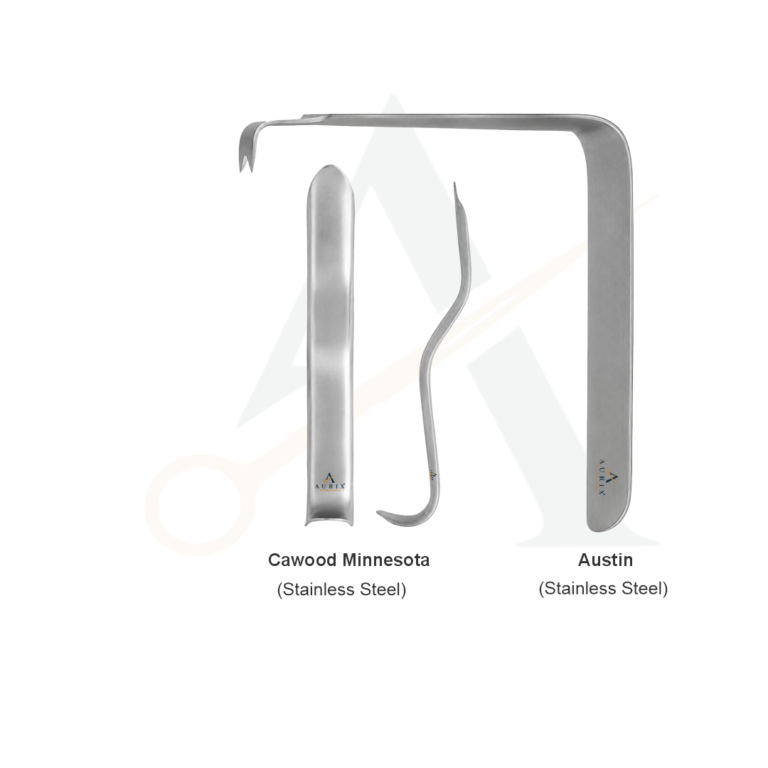
Periosteal Elevators and Retractors
These open and hold the flap. Furthermore, see our dental retractors for suitable designs.
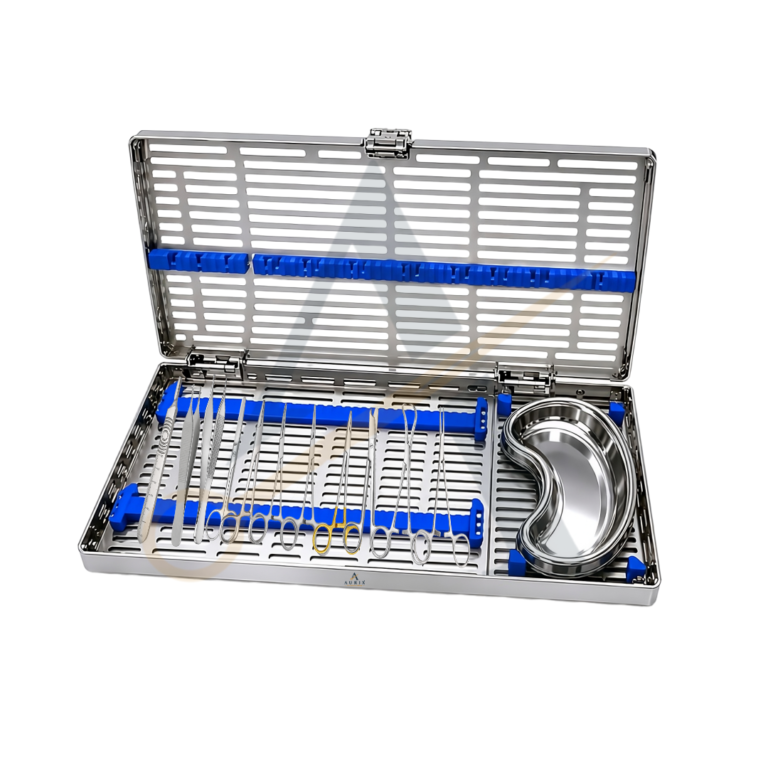
Sterilization Cassette
A fitted cassette keeps every instrument organized, protected and ready for autoclaving.
Why Instrument Quality Is Critical
A tear in the sinus membrane is the most common complication of sinus lift surgery. Tears can lead to graft loss, infection and delayed treatment. Therefore, surgeons need instruments with:
- Smooth, rounded working ends that glide under the membrane without cutting it.
- Multiple angles to follow the curved anatomy of the sinus.
- Fine, thin tips to start the elevation at the window edges.
- Balanced handles for delicate tactile control.
- Clear depth markings on osteotomes for safe crestal work.
Tips for a Smooth Procedure
- First, study the CBCT scan carefully to plan the approach and check for septa.
- Next, start membrane elevation at the lower edge of the window, keeping the elevator in contact with bone.
- Then, lift the membrane slowly and evenly from all sides.
- Check membrane integrity, for example with the Valsalva manoeuvre, before grafting.
- Finally, pack graft material gently; avoid over-compaction.
Sinus Lift Kit Care and Maintenance
Sinus lift instruments are fine and delicate. In addition, clean them promptly, handle them individually, and use an ultrasonic cleaner with care. Dry, pack in their cassette and autoclave. Before each case, inspect the tips for scratches or burrs, which could damage the membrane.
Instruments That Work with a Sinus Lift Kit
A sinus lift is part of implant treatment, so the kit works alongside our full range of dental implant instruments. In addition, a bone curette is useful for cleaning the graft site.
Want to learn more about the background? Read this overview of sinus lift surgery on Wikipedia. When you are ready to buy, our team will help you choose the right sinus lift kit for your clinic.
Sinus Lift Kit FAQs
Can one kit handle both lateral and crestal techniques?
Yes. Also, many kits include membrane elevators for the lateral approach and osteotomes for the crestal approach.
How many elevators should a sinus lift kit have?
A good kit usually has four to eight elevators with different angles and tip sizes.
Can Aurix make a custom sinus lift kit?
Yes. We can build kits to your specifications with private labelling.
Moreover, explore our complete sinus lift kit in our catalogue range.
Order A Sinus Lift Kit from Aurix International
Aurix International manufactures dental and surgical instruments in Sialkot, Pakistan, and supplies clinics, hospitals and distributors worldwide. We offer wholesale pricing, private labelling, custom kits and flexible order quantities. Need a mixed tray? Try our Medical Kit Builder, or contact us today for a fast quote.