A bone curette looks like a simple instrument, yet it plays a big role in oral surgery and implant dentistry. Surgeons use it to clean extraction sockets, remove granulation tissue, scrape cyst linings and prepare bone for grafting. Because the tool touches bone directly, its shape, size and sharpness affect both the speed of the procedure and the healing that follows. This guide explains the main bone curette types, how to pick the right size, and how to care for your curettes so they last for years.

What Is a Bone Curette?
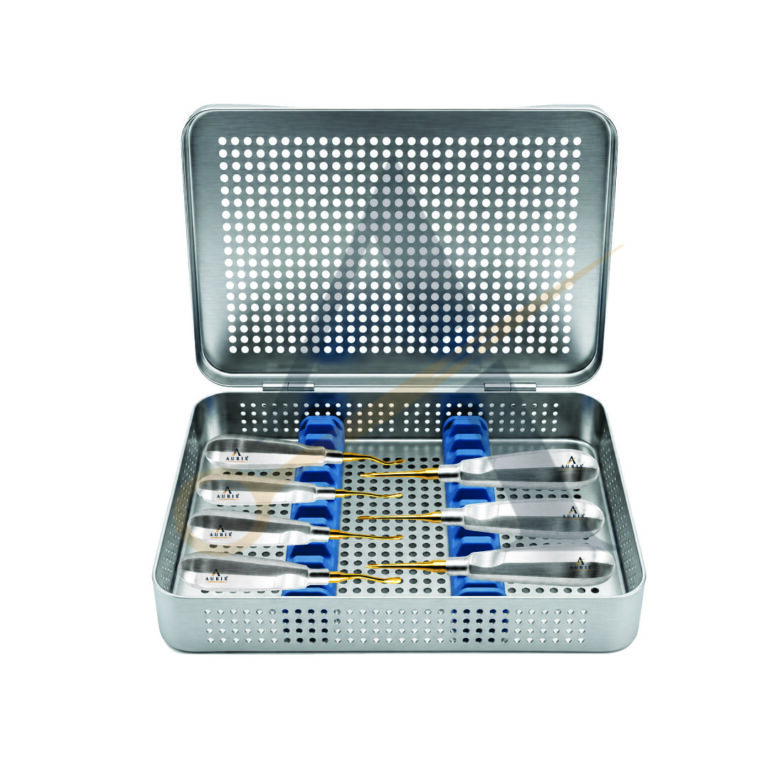
A bone curette is a hand instrument with a spoon-shaped or cup-shaped working end. In addition, the rim of the spoon is sharp, so it can scrape and scoop soft tissue and small bone fragments. Most dental bone curettes are double-ended, which means you get two tip sizes or two angles on one handle. As a result, you can switch between areas without changing instruments.
Unlike periodontal curettes, which clean root surfaces, a bone curette is built for heavier work inside the bone. Therefore, the shank is thicker and the spoon is deeper.
Common Types of Bone Curettes
- Lucas curettes: The most popular pattern in dental surgery. They have oval spoons in sizes such as #85, #86 and #87, and they are ideal for socket debridement.
- Molt curettes: These have round spoons and angled shanks. Surgeons often use them to remove cyst linings and soft tissue from larger defects.
- Miller curettes: Small, double-ended curettes with fine spoons for narrow spaces and periapical work.
- Straight vs angled: Straight curettes suit front teeth and open areas, while angled designs reach posterior sockets more easily.
How to Choose the Right Size
Size matters because the spoon must fit the defect. A spoon that is too large cannot reach the base of a narrow socket. On the other hand, a spoon that is too small makes cleaning a wide defect slow. For this reason, most clinics keep at least three sizes on hand:
- A small spoon (around 2–3 mm) for root tips, apical areas and narrow sockets.
- A medium spoon (around 3–4 mm) for general socket cleaning after routine extractions.
- A large spoon (around 5 mm or more) for cysts, wide defects and graft site preparation.
In addition, consider handle weight and grip. A textured, hollow handle gives good tactile feedback and reduces hand fatigue during long cases.
Key Uses in Daily Practice
1. Socket Debridement After Extraction
After a tooth comes out, the socket may contain granulation tissue or small fragments. A bone curette removes this material gently, which helps a healthy blood clot form.
2. Cyst and Lesion Removal
Surgeons use larger curettes to lift the lining of a cyst away from the surrounding bone. A sharp rim makes this cleaner and more complete.
3. Implant Site and Graft Preparation
Before placing an implant or a bone graft, the site must be free of soft tissue. A curette clears the area so graft material can contact healthy bone. Also, see our dental implant instruments and sinus lift kits for related tools.
4. Harvesting Small Amounts of Bone
In some cases, a curette can collect small bone chips from nearby sites for use in minor grafts.
What Makes a High-Quality Bone Curette?
- Surgical stainless steel: Good steel resists corrosion and keeps its edge after many autoclave cycles.
- Correct heat treatment: Proper hardening prevents the rim from bending or chipping.
- Smooth, even finish: A satin or polished finish makes cleaning easier and reduces glare under surgical lights.
- Balanced design: A well-balanced instrument feels natural in the hand and gives better control.
Bone Curette Care and Sterilization Tips
Proper care extends the life of every curette. First, rinse instruments right after use so blood and debris do not dry on the spoon. Next, clean them in an ultrasonic cleaner with a neutral detergent. Then, dry them fully before sterilization to avoid spotting. Finally, autoclave them in pouches or cassettes, and store them in a dry place.
Also, check the rim regularly. A dull curette tears tissue instead of cutting it cleanly, so sharpen or replace it when needed.
Build a Complete Extraction Setup
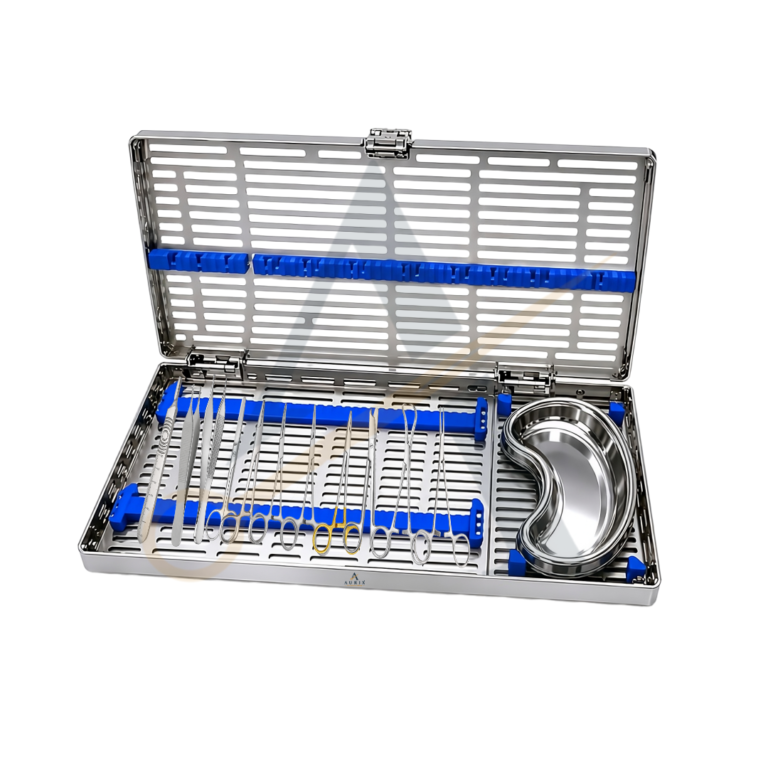
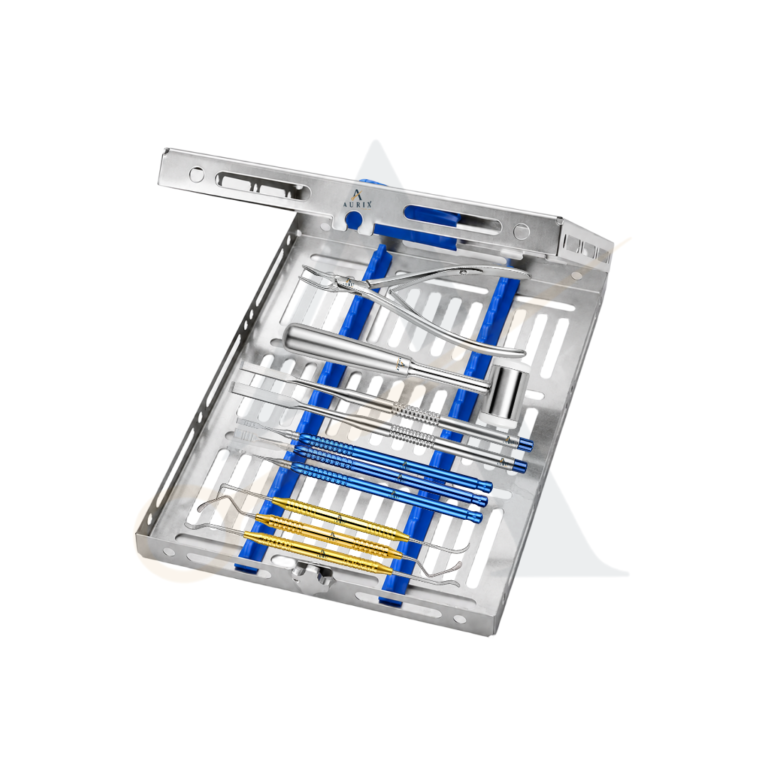
A bone curette works best as part of a full extraction tray. Moreover, most surgeons start with root elevators to loosen the tooth, use extracting forceps to remove it, and finish with a curette to clean the socket. You can also choose a ready-made dental surgical set that includes all of these.
Want to learn more about the background? Read this overview of curette on Wikipedia. When you are ready to buy, our team will help you choose the right bone curette for your clinic.
Bone Curette FAQs
Can I use a periodontal curette instead of a bone curette?
No. Periodontal curettes are thinner and designed for root surfaces. In fact, they can bend or break under the force needed for bone work.
How often should a bone curette be replaced?
With good care, a quality curette can last for years. Furthermore, replace it when the rim is chipped, bent or can no longer hold an edge.
Are Lucas curettes the best choice for general practice?
For most general dentists, yes. A set of Lucas curettes in two or three sizes covers most routine extractions.
In addition, browse our full bone curette range in our catalogue to find the right sizes for your clinic.
Order A Bone Curette from Aurix International
Aurix International manufactures dental and surgical instruments in Sialkot, Pakistan, and supplies clinics, hospitals and distributors worldwide. We offer wholesale pricing, private labelling, custom kits and flexible order quantities. Need a mixed tray? Try our Medical Kit Builder, or contact us today for a fast quote.