In dentistry, you cannot treat what you cannot see. Cheeks, lips, the tongue and surgical flaps constantly get in the way. A dental retractor solves this problem by holding soft tissue safely out of the working area. As a result, the clinician gets a clear view, better light and more room for instruments. Good retraction also protects the patient’s soft tissue from burs, blades and suction. In this guide, we explain the main types of dental retractors, where each one is used, and how to choose the right designs for your clinic.

Why Retraction Matters
Retraction is often the job of the dental assistant, yet it has a big effect on the outcome of treatment. Here is why:
- Visibility: A clear field lets the clinician work accurately and quickly.
- Protection: The retractor shields the cheek, tongue and flap from rotating instruments.
- Access: Holding tissue back creates space for handpieces, forceps and suction.
- Comfort: Smooth, well-designed retractors are gentler on the patient than fingers or mirrors.
Common Types of Dental Retractors
Minnesota Retractor
The Minnesota is one of the most popular cheek and tongue retractors. In addition, it has a broad, curved blade with a notch on one side. It is used in oral surgery and general practice to hold the cheek away from posterior teeth. Its wide blade protects a large area of tissue.
Austin Retractor
The Austin retractor has a small, right-angled blade. It is ideal for holding back a mucoperiosteal flap, especially around lower molars and in tight areas.
Seldin Retractor
The Seldin is a flat, broad instrument that can also act as a periosteal elevator. Also, surgeons use it to lift and retract flaps during extraction of impacted teeth.
Weider Tongue Retractor
This retractor has a wide, heart-shaped blade with a textured surface. Moreover, it holds the tongue away from lower posterior teeth during surgery.
Lip and Cheek Retractors
Plastic or metal lip retractors keep lips open for photography, bonding and cosmetic work. Moreover, they give both hands free for the clinician.
Tissue and Flap Retractors
Small, fine retractors such as the Langenbeck or Senn hold delicate tissue in periodontal and implant surgery.
Choosing Dental Retractors for Each Procedure
- Routine extractions: Minnesota retractor for cheek control.
- Third molar surgery: Austin or Seldin for flap retraction, plus a Minnesota for the cheek.
- Lower posterior surgery: Weider retractor for the tongue.
- Implant surgery: Fine flap retractors and a Minnesota. See our dental implant instruments.
- Cosmetic and photography: Lip and cheek retractors.
Features of a Quality Dental Retractor
- Smooth, rounded edges: Prevent cuts and bruising of soft tissue.
- Polished or satin finish: A satin finish reduces glare, while a polished finish cleans easily.
- Correct blade curvature: Follows the natural shape of the cheek or flap.
- Comfortable handle: Assistants may hold a retractor for a long time, so grip comfort matters.
- Autoclavable stainless steel: Durable through repeated sterilization.
Tips for Effective Retraction
- First, place the retractor gently and avoid pressing on bone edges or nerves.
- Next, keep the retractor steady; constant movement can tear the flap.
- Then, release tension every few minutes in long procedures to allow blood flow.
- After that, coordinate with the suction so the field stays both open and clear.
- Warn the patient before placement, especially with the tongue retractor.
Care and Maintenance of Dental Retractors
Dental retractors are simple to maintain. Rinse them after use, clean them in an ultrasonic bath, dry them fully and autoclave them. Check edges for burrs or scratches, because a rough edge can injure soft tissue. In fact, replace any retractor that is bent out of shape.
Dental Retractors as Part of a Surgical Set
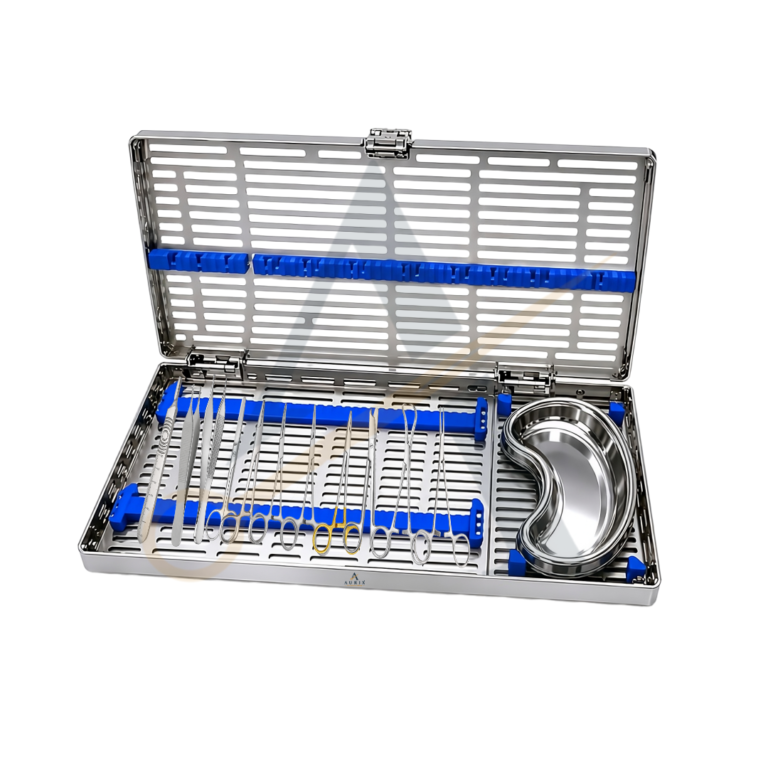
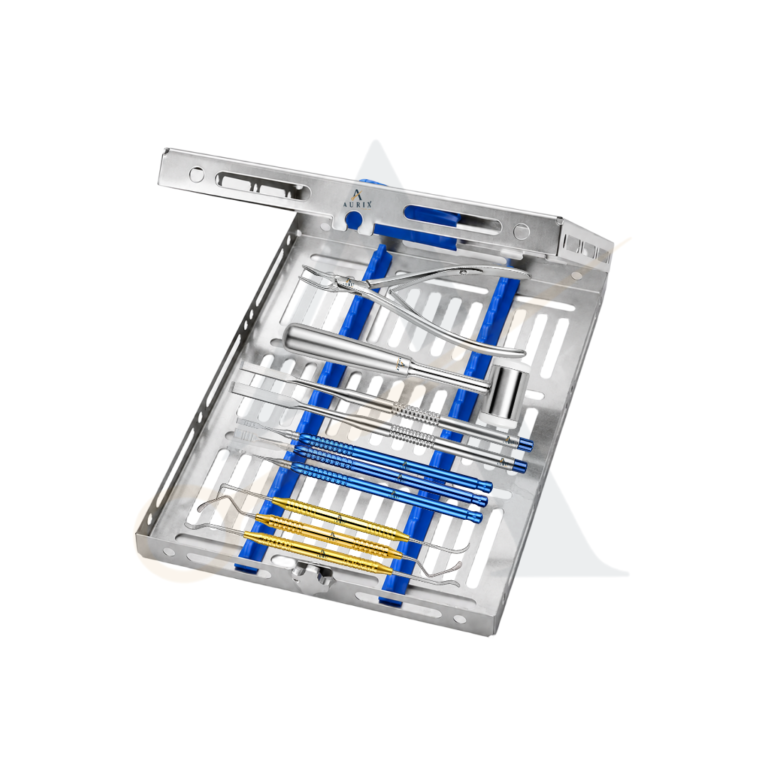
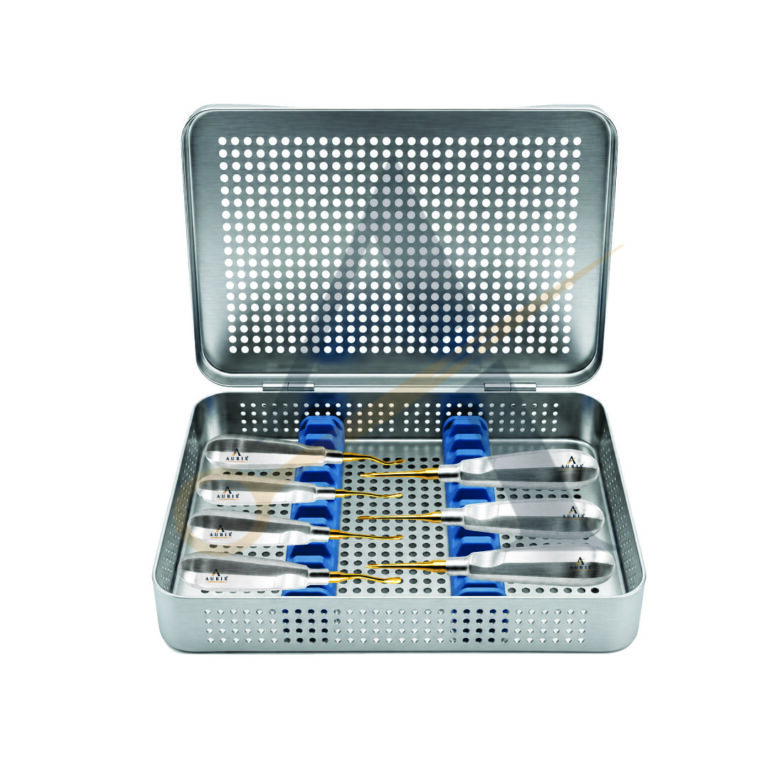
Dental retractors are essential in every surgical tray. Therefore, they are included in most dental surgical sets. They also work closely with our full range of oral surgery instruments, such as periosteal elevators, needle holders and tissue forceps.
Want to learn more about the background? Read this overview of medical retractors on Wikipedia. When you are ready to buy, our team will help you choose the right dental retractors for your clinic.
Dental Retractors FAQs
What is the most versatile dental retractor?
The Minnesota retractor is the most versatile, as it works for both cheek and tongue retraction in many procedures.
Can a Seldin retractor be used as an elevator?
Yes. Its flat, broad blade can reflect a flap and then hold it back.
Does Aurix supply retractors in bulk?
Yes. We offer wholesale pricing and private labelling on all retractor designs.
Furthermore, browse our full dental retractor in our catalogue collection.
Order Dental Retractors from Aurix International
Aurix International manufactures dental and surgical instruments in Sialkot, Pakistan, and supplies clinics, hospitals and distributors worldwide. We offer wholesale pricing, private labelling, custom kits and flexible order quantities. Need a mixed tray? Try our Medical Kit Builder, or contact us today for a fast quote.